![[personal profile]](https://www.dreamwidth.org/img/silk/identity/user.png)
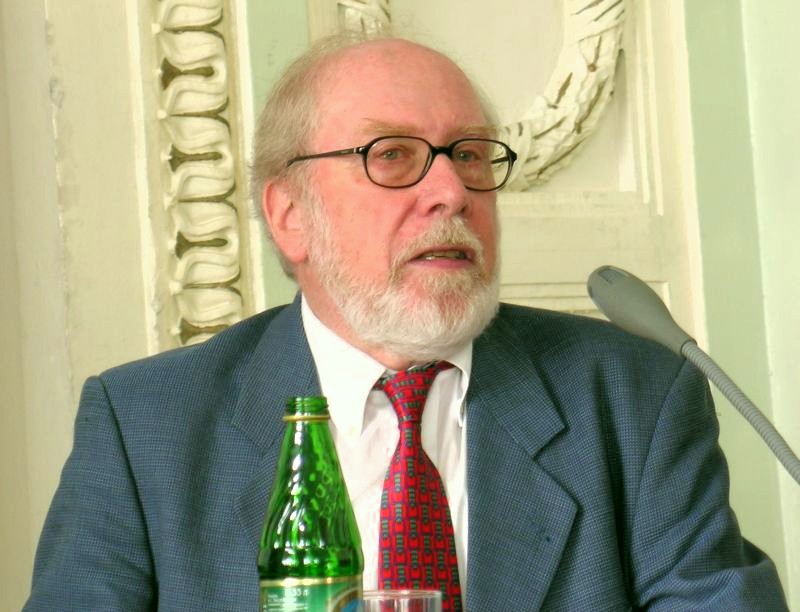 After earning a bachelor’s degree in electrical engineering, followed by master’s and Ph.D. degrees, Niklaus Wirth began his career in teaching — first at Stanford University, then at his undergraduate alma mater, the Swiss Federal Institute of Technology (ETH), where he remained from 1968 until his retirement in 1999.
When tasked with starting the school’s computer science department, Wirth found the programming languages available at the time too complex — so he created his own. He released Pascal and its source code to the community in 1970 and introduced it to the classroom in 1971.
The result was a success, recalled Wirth: “It allowed the teacher to concentrate more heavily on structures and concepts than features and peculiarities — that is, on principles rather than techniques.” Pascal became an introduction to programming for generations of students — though it was not merely an academic exercise.
“I do not believe in using tools and formalisms in teaching that are inadequate for any practical task,” said Wirth. “[Pascal] represented a sensible compromise between what was desirable and what was effective.”
During his time at ETH, Wirth took two sabbaticals to work at Xerox PARC. There, he encountered the Alto computer, his first time using a personal computer that he didn’t need to timeshare with others. The experience inspired him to return to Switzerland and build his own personal computers and their accompanying software. Languages he developed for these computers included Modula-2 (1979) and Oberon (1988). Ultimately, Wirth was his own best student: “One learns best when inventing,” he said.
Wirth was honored in 1984 with ACM’s Turing Award and in 2004 as a Computer History Museum Fellow. He died at 89.


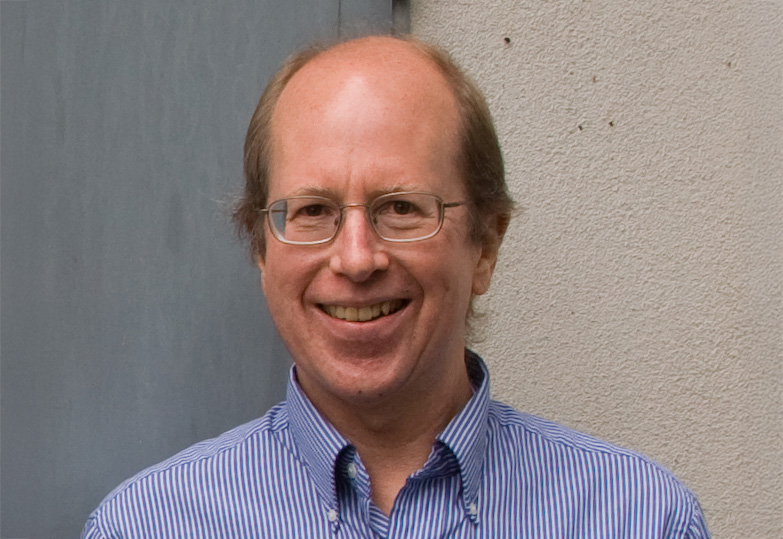 John Walker didn’t find his success overnight: the son of a doctor and a nurse, he studied astronomy before switching to electrical engineering; founded the hardware company Marinchip Systems in 1976; and then co-founded Autodesk in 1982. The company’s first product was an eponymous office automation program.
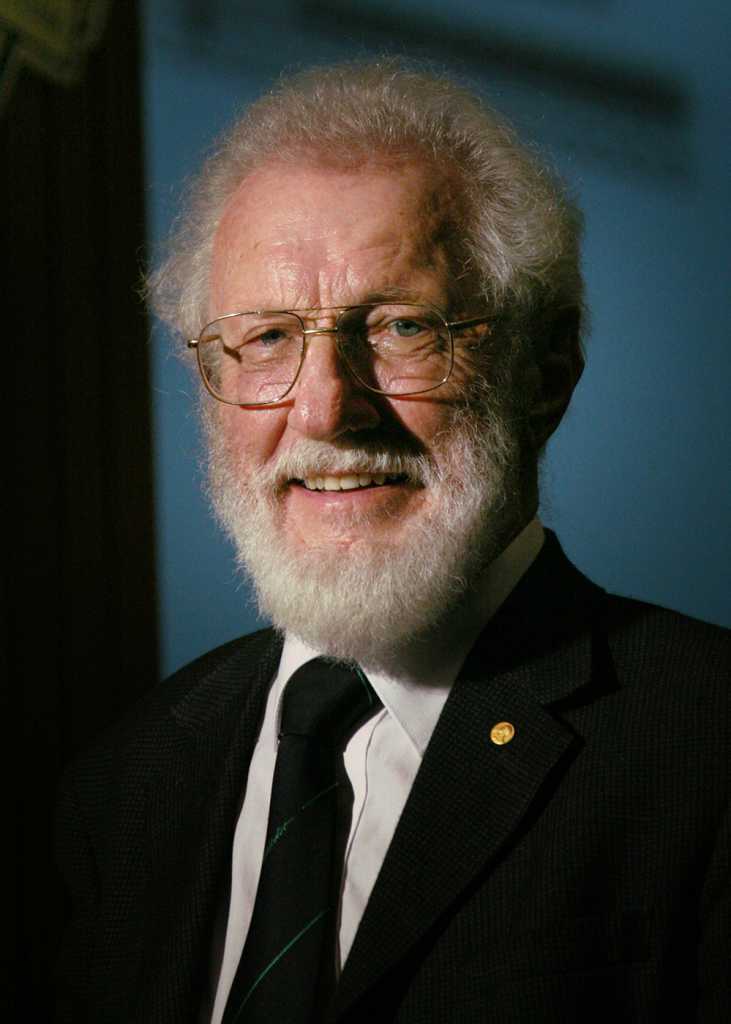 Some inventors have ideas ahead of their time; it takes decades for technology and society to catch up. That’s why it wasn’t until 2000 that Herbert Kroemer received the Nobel Prize in Physics for his work in heterostructures dating back to the 1960s.
 Bringing people and ideas together and assuring they work well is what good leaders do. And that’s what Daniel Lynch did throughout his career.
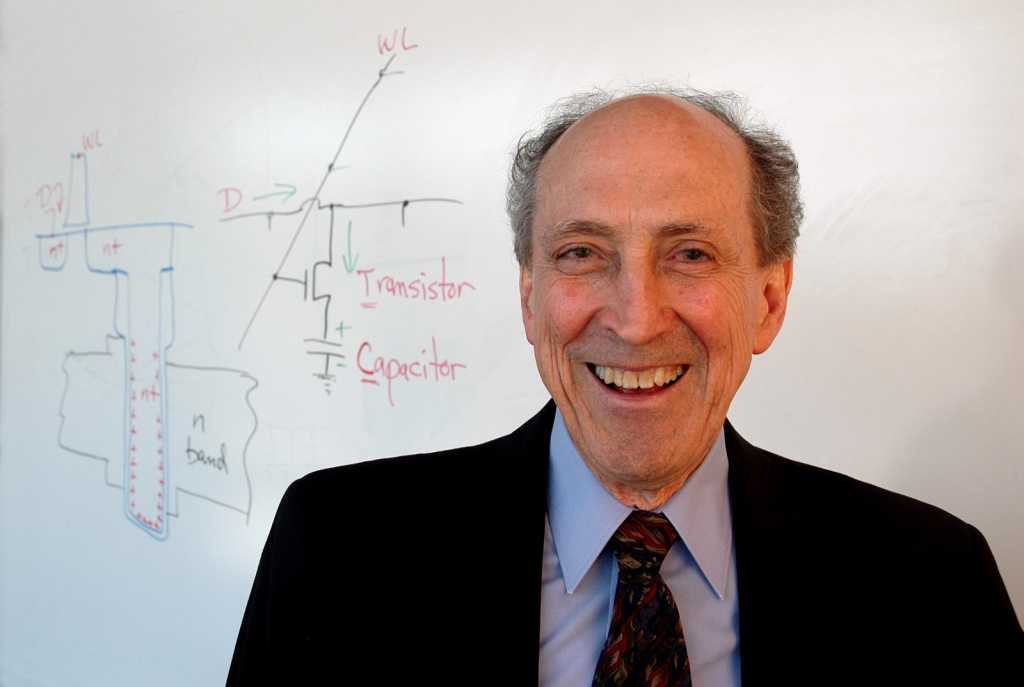 Entering college on a French horn music scholarship, Robert Dennard earned his bachelor’s, master’s, and Ph.D. degrees in electrical engineering. He then joined IBM as a researcher in 1954.
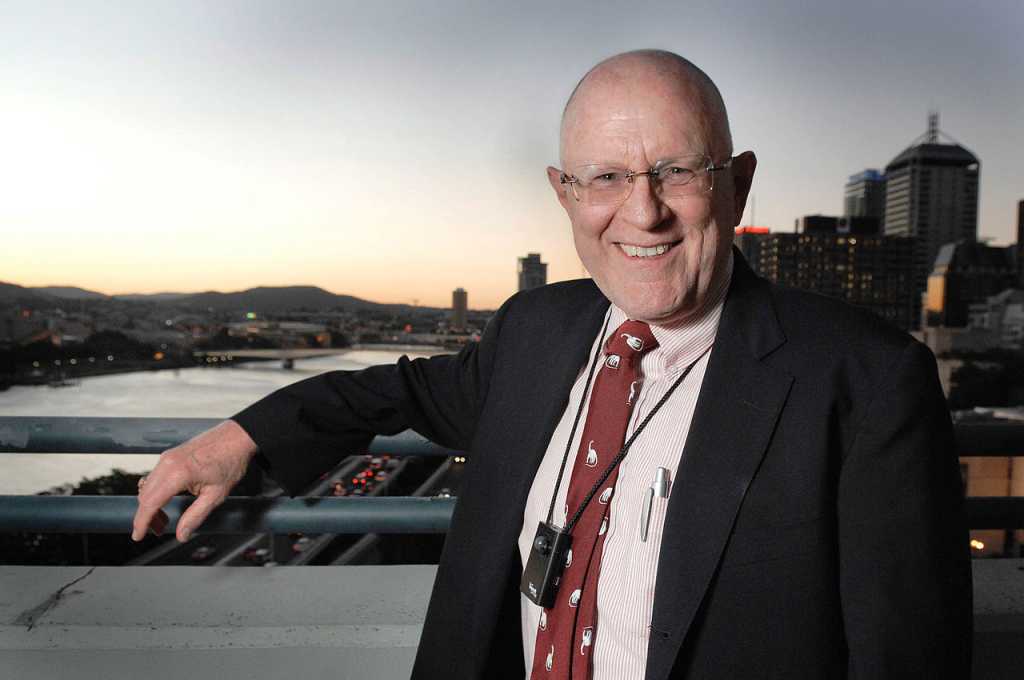 In 1958, after returning to the USA from a Fulbright scholarship teaching computer design in Australia, Chester Gordon Bell enrolled in a Ph.D. program at his undergraduate alma mater, MIT. But Bell was lured by Digital Equipment Corporation to drop out of school in 1960 and become DEC’s second-ever engineer. There, he contributed to the architecture of the PDP-1, PDP-5, and PDP-11 minicomputers and was the principal architect of the PDP-4 and PDP-6. The PDP-1 was DEC’s first computer, and although only about fifty were manufactured, it paved the way for the commercial success of later models.
 While working at IBM on the Advanced Computing Systems project in the 1960s, Lynn Conway developed dynamic instruction scheduling (DIS), a computing architecture technique that enabled computers to perform multiple operations simultaneously, paving the way for the first superscalar computer.
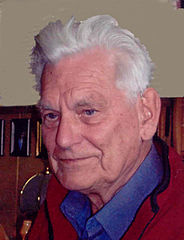 When Xerox PARC developed the Alto computer in 1973, it debuted a new paradigm: the graphical user interface (GUI), an abstraction between the user and the computer’s underlying data. To develop GUI programs, developers also needed a new model to work with.
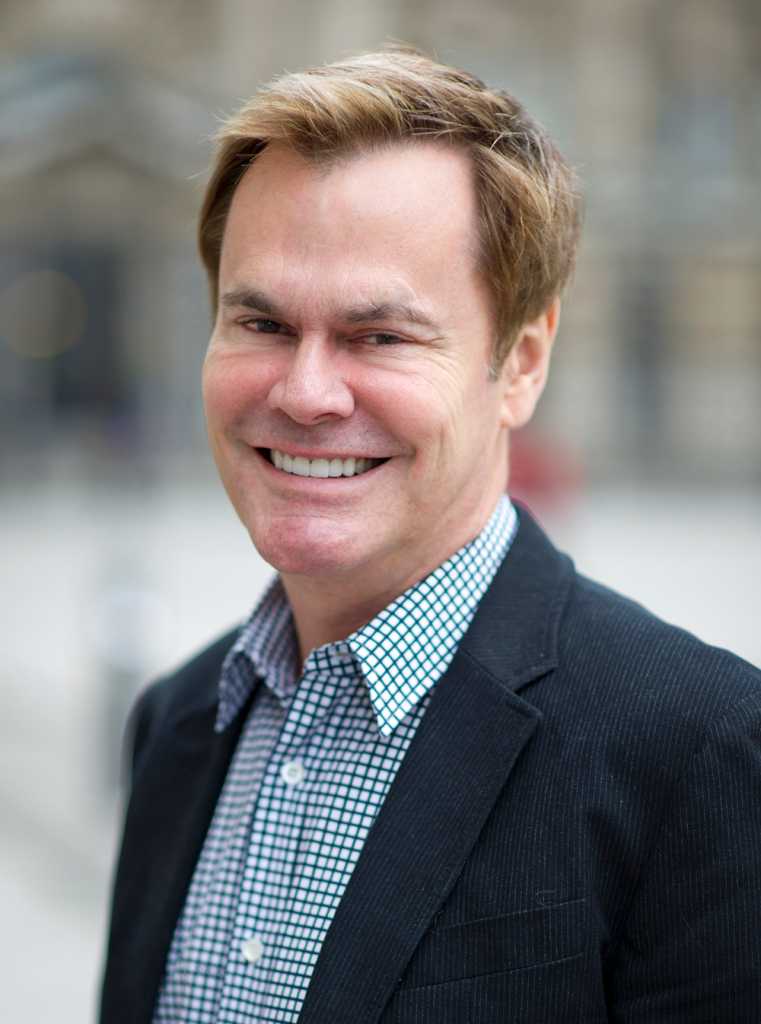 In 1979, while earning his master’s degree in computer science at Brigham Young University, Bruce Bastian partnered with his professor, Alan Ashton, to co-found Satellite Software International. Their flagship product was word processing software that they had co-developed for the city of Orem, Utah. That program later became the new name of their company: WordPerfect Corporation.
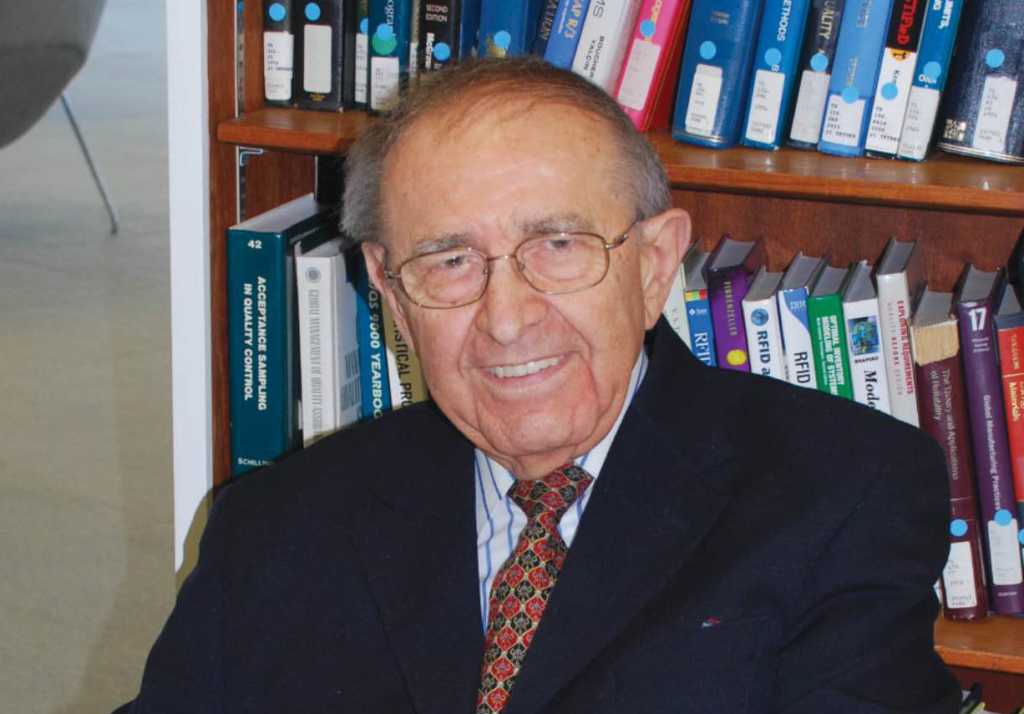 Born in Zhovkva, Ukraine (then part of Poland), Romankiw emigrated to Canada, where he attained citizenship and earned his bachelor’s degree in chemical engineering. After earning a master’s and Ph.D. in metallurgy and materials in 1962 from MIT, he joined IBM.
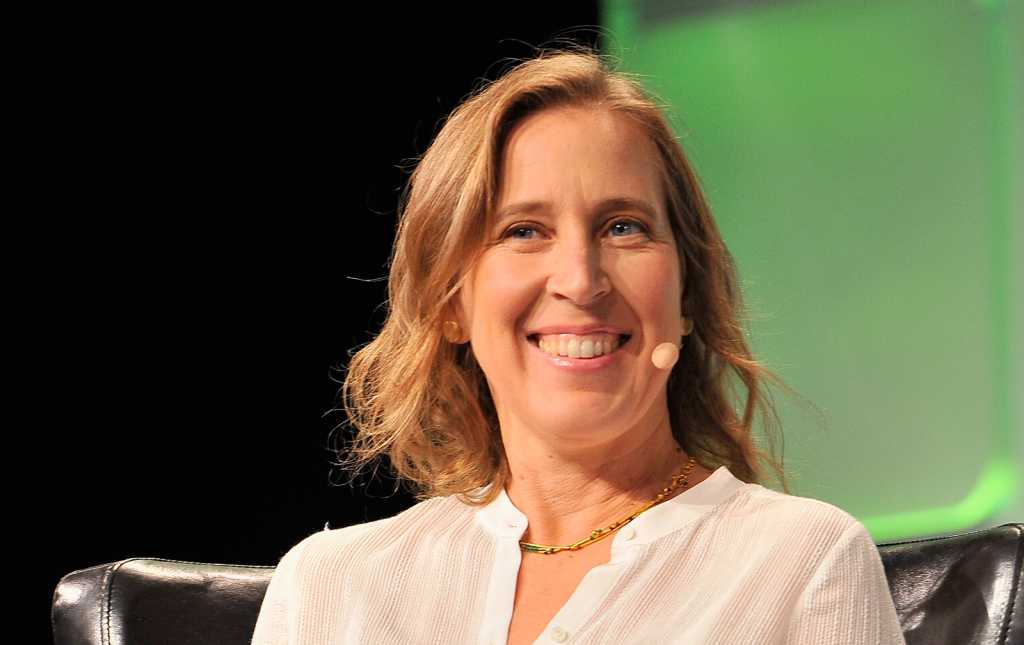 When Larry Page and Sergey Brin founded Google in 1998, they needed office space. Management consultant Susan Wojcicki provided her garage — and, over the years, so much more.
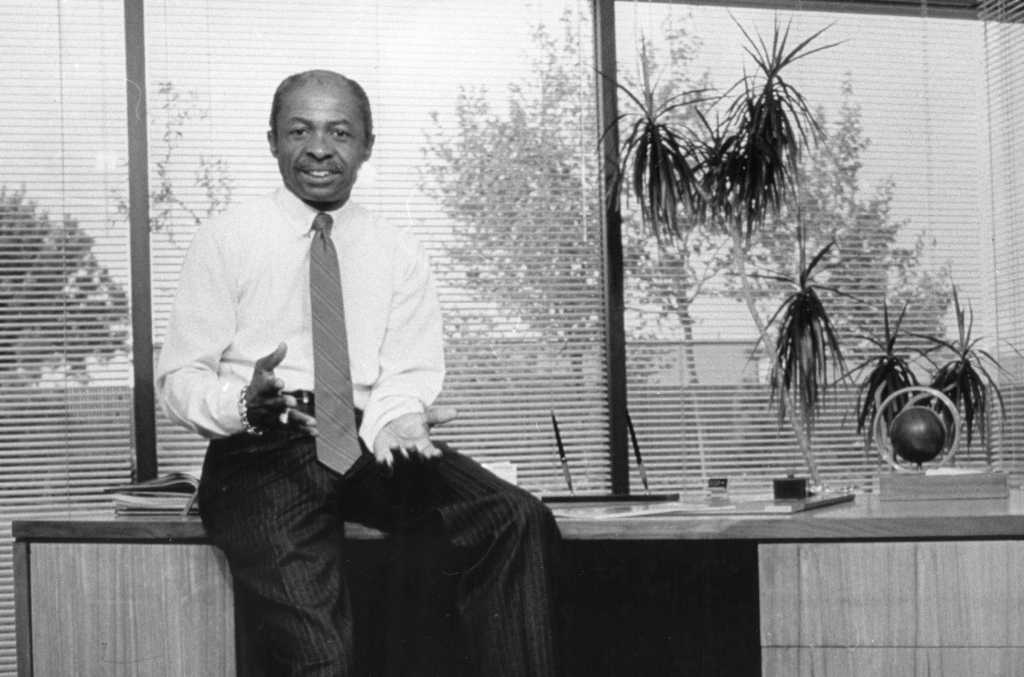 Roy Clay was one of nine children raised in a household without electricity or a toilet. He nonetheless grew up to become the one of the first Black Americans to graduate from St. Louis University, earning his degree in mathematics.
 Ward Christensen spent his entire 44-year career as a systems engineer at IBM — but it was his hobbies that earned him a place in history.
 After earning his Ph.D., Thomas Kurtz joined Dartmouth College in 1956 as a mathematics professor and the director of the university’s computing center, which consisted of a single computer. Kurtz and colleague John Kemeny worked around this hardware limitation by developing the Dartmouth Time-Sharing System (DTSS), which operated from 1964 to 1999.
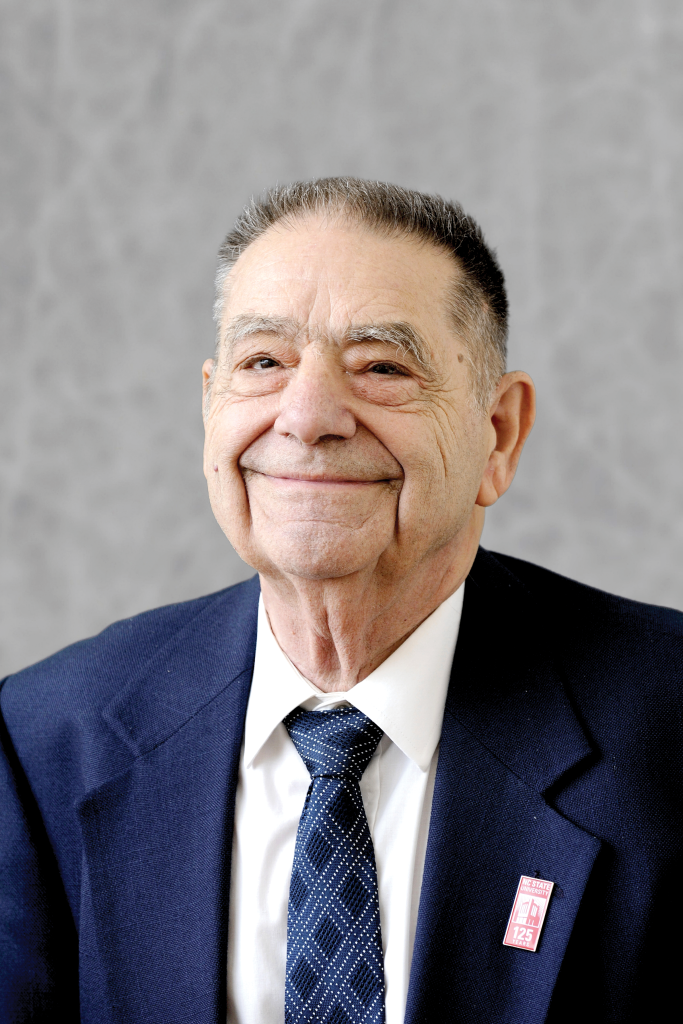 In 1959, the University of Illinois at Urbana-Champaign’s Control Systems Laboratory set out to develop a computerized learning system. They hired Don Bitzer, who’d just earned his bachelor’s, master’s, and Ph.D. degrees in electrical engineering from the school.